Vans & the CVRT: Underbody Repair Before Test
Running a van for work in Ireland means dealing with the CVRT every year. Unlike a private car, which goes for an NCT every two years, your Transit, Sprinter, Ducato, Berlingo or Transporter is due in for the Commercial Vehicle Roadworthiness Test from its first birthday - and every twelve months after that for life.
That annual cycle keeps standards up, but it also means underbody corrosion has less time to hide. Inspectors go under the vehicle on a lift. They are looking at chassis rails, cross-members, floor structure, and all the areas around brake, suspension and steering mounting points. Around 37% of vans and jeeps tested in 2024 failed - and underbody corrosion is one of the main contributors to that figure.
If your van has serious rot underneath, getting it welded before the test is almost always cheaper than taking the fail, booking the retest, and rushing the repair in between.
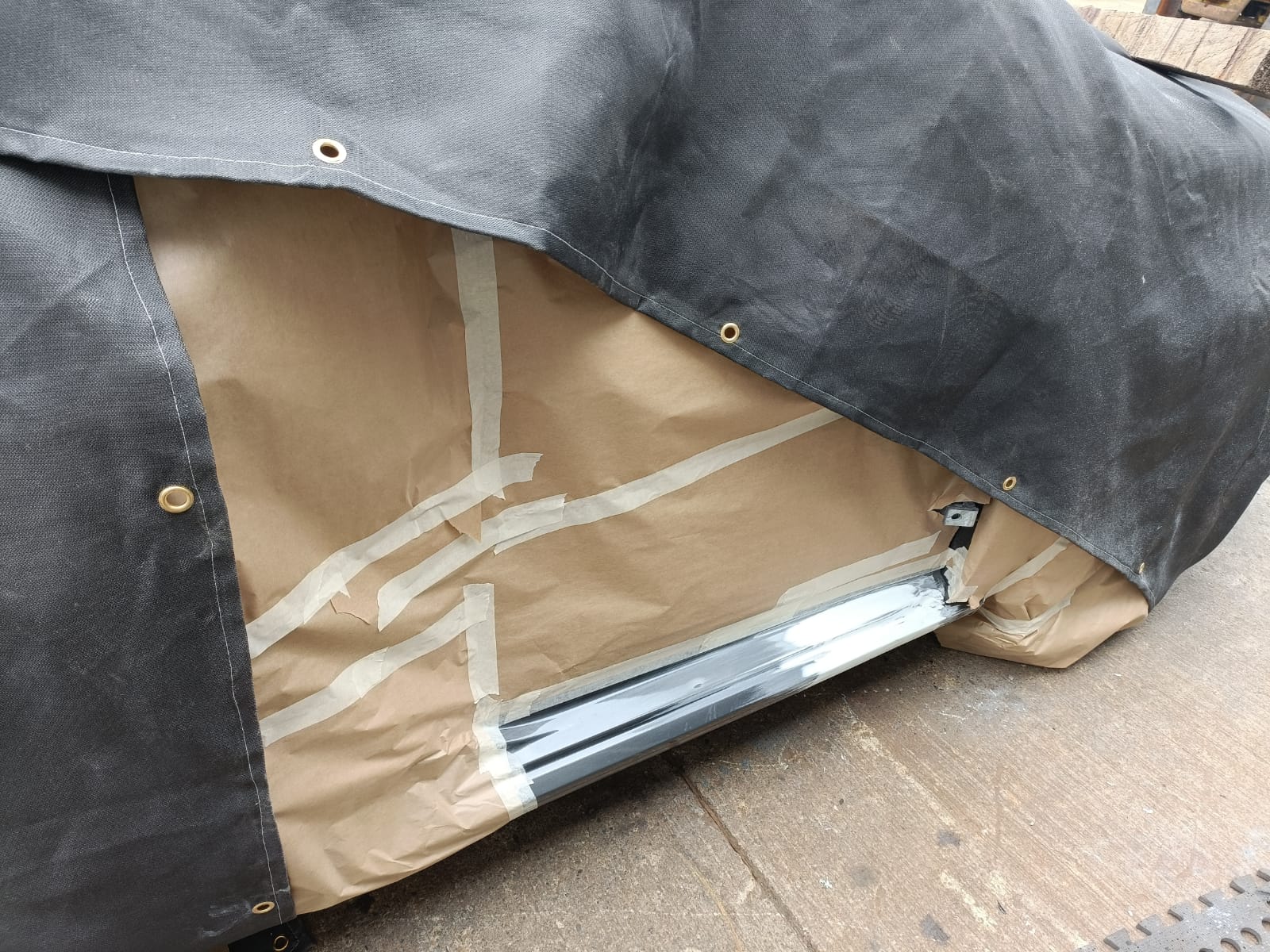
What the CVRT Actually Checks Under a Van
The CVRT is run by the RSA (Road Safety Authority). It replaced the old “DoE test” - you will still hear that name used around Dundalk and across north Louth, but the official system is the CVRT and the certificate it issues is a CRW.
For vans and jeeps up to 3,500kg, the fee is EUR 131.41 (VAT included) for the initial test, and EUR 50.11 for a retest. You cannot carry passengers or goods in a van that fails - the CRW is a legal requirement for commercial vehicles on Irish roads.
The underbody inspection during a CVRT covers:
- Chassis rails and cross-members - the main structural backbone of the van floor
- Floor structure and underfloor panels - especially on high-mileage delivery vehicles where the floor takes constant load
- Suspension and steering mounting zones - corrosion within a certain distance of these mounting points is treated seriously
- Brake and fuel lines - inspectors check for damage, chafing and security, not just corrosion
- Exhaust condition and security
Inspectors are looking for structural weakness - holes, serious thinning, cracks, or rot that compromises the integrity of the chassis. A van with heavy cosmetic surface rust on body panels might scrape through. A van with a rotted chassis rail or a floor that has given way around a spring hanger will not.
Why Working Vans Rot So Fast
A private car might cover 12,000 to 15,000 miles a year. A tradesman’s van doing regular runs between Dundalk, across the Cooley Peninsula, south to Drogheda, or north into Newry along the N1 can put double that on without much trouble. High mileage means high underbody exposure.
Several things combine to accelerate the rot on working vans:
Road salt. Gritting happens on Irish roads from around October through April when road temperatures drop to zero or below. Salt residue settles in every crevice under the vehicle - inside box sections, around drainage holes, under underseal that has cracked or lifted. Salt draws moisture, and moisture on bare steel corrodes it from the inside out.
Mud and debris. Vans visiting building sites, farms, and yard deliveries pick up mud that packs into structural sections and stays damp. It sits against bare steel and keeps it wet long after the road surface has dried. The chassis rails and cross-members on a site van are often caked with compacted mud that no roadwash ever shifts.
Weight cycles. A Sprinter or Transit loaded to its payload limit every working day flexes the chassis and underfloor structure constantly. Over time, this stress opens seam welds, cracks underseal at flex points, and allows water to get in where it was not getting in before.
Poor drainage design. Some vans - the Fiat Ducato-based vehicles in particular - have known drainage issues where water tracks along body seams and drips directly onto structural members. The rot that results is slow to show because the outer panels look fine, but underneath the corrosion is already advanced.
The result is that a well-used six or seven-year-old van in Co. Louth can have serious underbody rot while looking presentable on the outside. The CVRT finds it.
Common Rot Areas on Working Vans
Different vans have different weak spots, but across Transit, Sprinter, Ducato, Transporter and Berlingo/Partner variants, the most common areas we see at Quinn Engineering are:
Chassis rails - the main longitudinal members that run front to back under the floor. Rot typically starts at the ends, around drain holes, and at any point where underseal has been breached by a strike or a flexi-hose chafing against the rail.
Outriggers and cross-members - the lateral members connecting the chassis rails. These collect mud on top, hold moisture, and often rot through from the upper face downward, hidden under the floor.
Spring hangers and axle mounts - high stress areas that are also vulnerable to rot. Corrosion here is treated as serious during a CVRT inspection because it is close to the suspension mounting structure.
Floor plate at the rear - cargo vans with heavy, sliding loads develop wear points in the floor that allow water through. Once the floor plate is gone, rot spreads laterally into the surrounding structure.
Sill sections - the structural sills at the base of the sliding door aperture rot from road splash. On a Berlingo or Partner-sized van, the sills are often thinner steel and go faster than on larger vans.
What a Van Underbody Repair Involves
The repair approach for a van with structural corrosion is the same as for any structural vehicle: cut out the rotten material completely, weld in new steel of the correct gauge, and treat and seal the area properly.
Filler over structural rust is not acceptable for a CVRT - the same principle applies as at the NCT for cars. The repair has to be welded metal, done properly.
Our underbody welding service covers everything from isolated patches on a single cross-member to more extensive chassis section repairs on heavily-corroded vans. The extent of the work varies depending on what is found - which is why we assess the vehicle first. Market rates for van underbody structural welding typically run from EUR 2,000 upward depending on the extent of the rot; call for a quote based on your specific vehicle.
The key difference between doing this before the test and doing it after a fail is time pressure. After a fail you are working to a retest deadline, potentially without the vehicle if it has been failed as dangerous. Before the test, we can look at it properly, identify the full extent of the rot (which is often worse than it appears initially), and carry out the work without rushing.
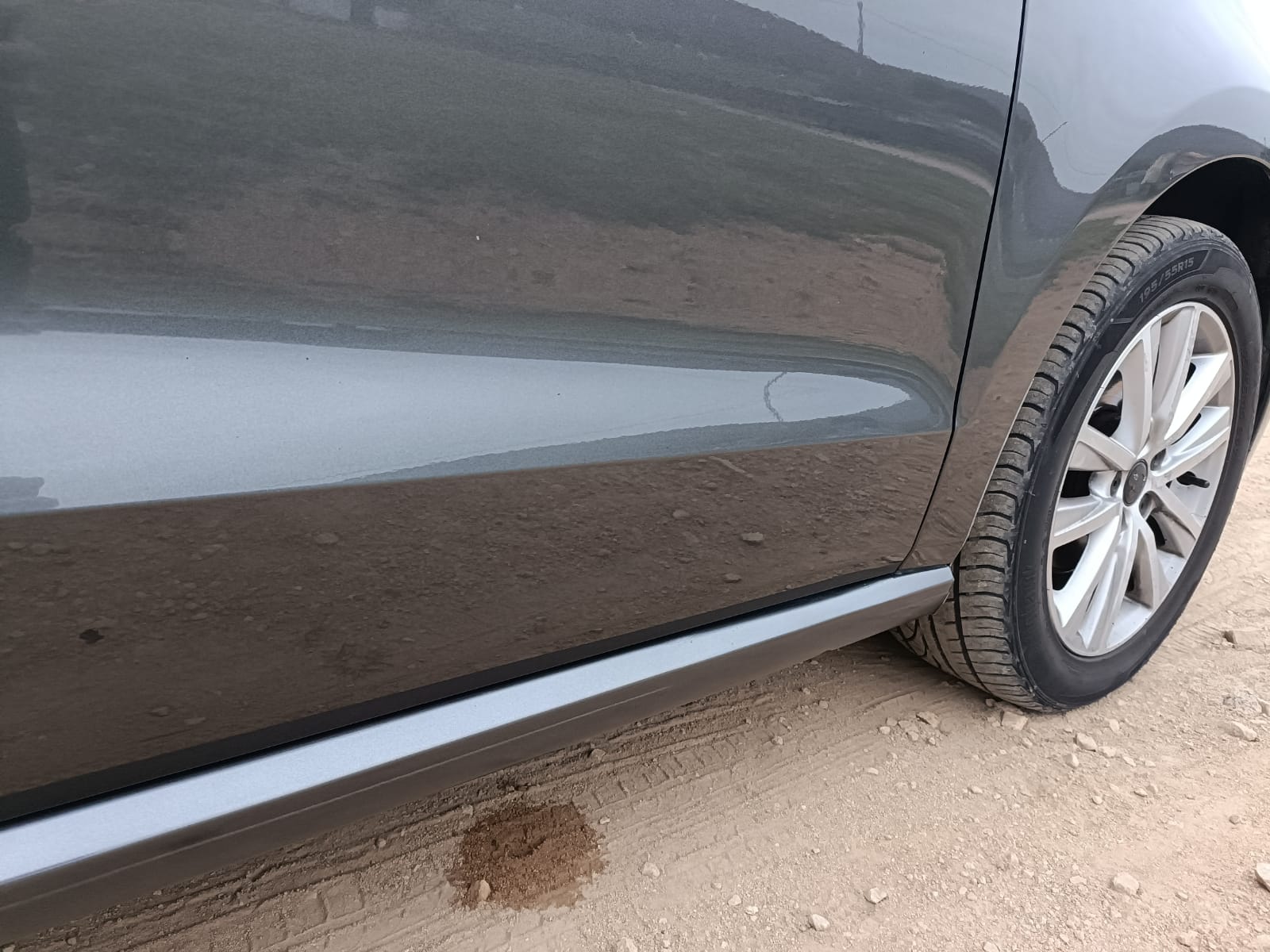
CVRT vs NCT: The Key Differences for Underbody Inspection
If you are used to managing your private car through the NCT, the CVRT involves some important differences worth knowing:
The NCT covers private passenger cars. Tests are every two years from four years old (or the vehicle’s fourth birthday). The NCT fee is EUR 60, retest EUR 40.
The CVRT covers vans, commercial vehicles, jeeps, motor caravans, and trailers. Vans and jeeps up to 3,500kg go annually from one year old - every year, no matter the age. The fee is EUR 131.41, retest EUR 50.11.
Both tests include an underbody inspection that covers chassis structural integrity and corrosion. The CVRT’s annual frequency means that a van is inspected twice as often as a car, and structural rot has less time to develop between tests before it is caught. It also means you need to be on top of underbody condition every year rather than every other year.
Read more about NCT underbody welding if you have a car going for its test.
Dundalk and North Louth Tradespeople
The van fleet that operates across Dundalk, along the Cooley Peninsula, and into the border corridor on the N1 and M1 tends to work hard. Construction vehicles going to Newry and back, delivery vans on daily Dundalk rounds, refrigerated units running produce south - these vehicles are on the road in all conditions and cover serious mileage.
The R173 coast road out through Omeath and along Carlingford Lough is not the worst road in Louth, but vans working the building sites on the Cooley Peninsula and the agricultural holdings throughout the area pick up the kind of mud and road debris that accelerates underbody corrosion faster than urban motorway driving does.
If you have a van working this corridor and it has not had the underbody looked at properly in the last couple of years, the CVRT is coming around regardless. Getting a pre-test inspection before you book the test costs nothing and tells you where you stand.
Get Your Van Ready for the CVRT
Quinn Engineering is based in Ardaghy, Omeath - on the Cooley Peninsula, roughly 20 minutes from Dundalk town. We carry out van underbody welding in Dundalk and across Co. Louth, working on Transits, Sprinters, Ducatos, Transporters, Berlingos and similar commercial vehicles.
If your CVRT is coming up and you are not sure what is underneath, send us photos via WhatsApp or bring the van in for a look. We will assess what is there, tell you straight what needs doing, and give you a quote before any work starts.
Call Stephen on 083 807 7144 or send photos to WhatsApp for a faster response. We are open Monday to Friday, 8am to 6pm, and Saturday by arrangement.
Frequently Asked Questions
What does the CVRT cost for a van or jeep in 2026?
The fee for vans and jeeps up to 3,500kg is EUR 131.41 (including VAT). If you fail and need a retest, the retest fee is EUR 50.11. These are set by the RSA.
Will corrosion fail my van at the CVRT?
Yes. The CVRT includes a visual underbody and chassis inspection. Significant corrosion on structural members, chassis rails, or near the mounting points of brakes, suspension, and steering components will result in a fail. Inspectors check for holes, severe thinning, and structural weakness.
What is the difference between the CVRT and the NCT?
The NCT covers private cars. The CVRT (Commercial Vehicle Roadworthiness Test) covers vans, jeeps, and other commercial vehicles up to 3,500kg - it replaced what used to be called the DoE test. Vans and jeeps need a CVRT every year from one year old, not every two years like a car NCT.
How soon before the CVRT should I get underbody welding done?
At least two to four weeks before your test date if possible. That gives time to assess the full extent of the rot, complete the structural repairs properly, and let any weld-through primer or underseal cure fully. Don't leave it until the day before.