What Are Car Sills? Sill Repair Specialists in Dundalk
What Are Car Sills — and Why Do They Matter?
If you’ve received a sill-related fail on your NCT, or if a mechanic has mentioned your sills need attention, and you’re not entirely sure what a sill actually is or why it’s important, this page is for you.
Car sills are a structural component — not a cosmetic one — and understanding what they do and why they fail helps make sense of why a sill repair is taken seriously by NCT testers, safety engineers, and any garage that does the work properly.
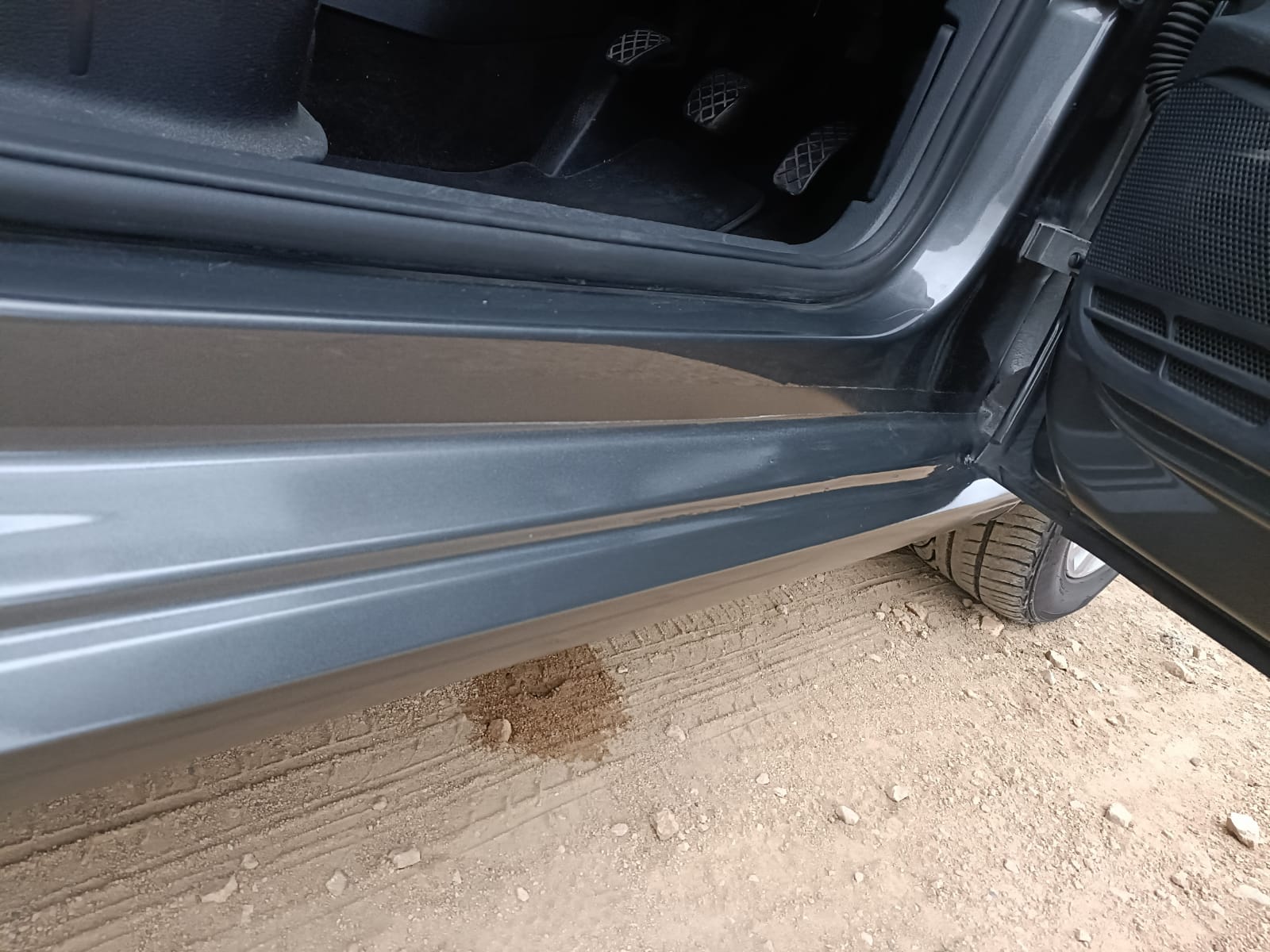
Where Are the Sills on a Car?
The sills are the steel sections running along the base of the door apertures on both sides of the vehicle — the threshold you step over when getting in and out. If you open the door and look at the bottom of the opening, the floor-level strip you see is the top of the sill area. The actual sill structure extends downward from there, forming the lower edge of the body along each side.
From outside the vehicle, the outer sill is the panel running below the doors between the front and rear wheel arches. On many cars this is a cosmetic panel — a separate piece covering the structural sill box section beneath it.
What Do Sills Actually Do?
Sills are primary structural members in monocoque (unibody) vehicle construction — which covers virtually every car built since the 1980s.
In monocoque design, there is no separate chassis frame. The structural integrity of the vehicle comes from the integrated steel body: the roof, A and B pillars, floor pan, and sill box sections working together as a unified structure. The sill is the backbone of the lower body — the section that connects the front and rear body structure along each side and provides the floor platform with its lateral rigidity.
The practical implications of this:
In normal driving, the sill carries a portion of the bending load on the body structure. Flex through a sill box section contributes to the characteristic creaking and body movement you hear in older cars with rotten sills — the structure is no longer rigid.
In a side impact, the sill is one of the first components the vehicle’s crash engineering relies on to manage energy transfer away from the occupant. Sills in good condition deform in a controlled way, absorbing energy. Sills that are already structurally compromised by rot cannot perform this function.
On convertibles, the sill is even more critical because there’s no roof structure providing additional body rigidity. Convertible sills are designed to be stiffer and heavier than equivalent saloon sills, and structural sill damage on a convertible is particularly serious.
This is why the NCT treats sill structural corrosion as a primary structure fail rather than an advisory — it’s a genuine safety issue, not a cosmetic one.
Inner Sill vs. Outer Sill
There are two distinct parts to the sill structure:
The outer sill panel is the cosmetic section visible below the door from outside the car. On many vehicles this is a replaceable panel — it can be bolted or welded on to improve cosmetic appearance. Replacing it alone does nothing for structural integrity if the inner sill is rotten.
The inner sill is the structural box section — the closed section of folded and welded steel that provides the actual structural function. This is what NCT inspectors assess, what needs to be sound to pass the test, and what needs to be cut out and replaced when sill rot is serious.
A lot of confusion around sill repair quotes arises here. A cheap quote for “sill repair” may mean outer sill replacement only — cosmetically acceptable but structurally irrelevant if the inner section is compromised. A structural sill repair addresses the inner section, which is the more involved and more important work. See our sill repair cost guide for what to expect.
Why Do Sills Rust So Readily on Irish Vehicles?
Two mechanisms drive sill corrosion specifically:
External attack from road spray. The front wheel throws a continuous jet of water, grit, and road salt directly at the forward sill section on every wet-road journey. The protective coating on this area receives more punishment than any other part of the underbody. Once it breaks down, moisture has direct access to the steel.
Internal corrosion from blocked drain holes. The sill box section has drain holes at its lowest points to allow any water ingress to escape. These holes commonly block with accumulated debris on Irish vehicles within a few years of use. When the drain holes are blocked, water sits inside the hollow sill section for extended periods — and corrodes the internal surfaces of the box section, invisibly, until the rot breaks through from inside.
By the time sill rot is visible on the outer surface, the inner box section has typically been corroding internally for considerably longer. This is why sill rot so frequently comes as a surprise — the outer presentation at the point of first obvious symptoms significantly understates the actual extent of the problem.
How Are Sills Repaired?
Proper sill repair involves cutting out the rotten sections and welding in new steel — not covering the damage cosmetically. See our sill repair service page for the full process, or our NCT sill repair guide if your car has already failed.
One practical note on rust spreading from the sill: because the moisture conditions that cause sill rot also affect adjacent sections, sill repair often reveals associated floor pan rot at the sill junction. A full underbody assessment before starting the work is always worthwhile — see our vehicle rust and rot repair service for broader context.
Frequently Asked Questions
Q: Are sills structural on all cars? A: On virtually all modern cars using monocoque construction — which covers almost every car built in the last 40 years — yes, the sill is a primary structural member. Separate-chassis vehicles (trucks, some older 4x4s) have a different arrangement, but the sill box section is still structurally relevant.
Q: Can I see the sill condition without getting underneath the car? A: You can see the outer sill and some early warning signs (paint bubbling, surface rust at edges, rust staining below the doors). But the inner structural condition is only assessable properly from underneath with the vehicle on a lift.
Q: If my sills rust through, does my car become unsafe immediately? A: Structurally compromised sills reduce the vehicle’s crash performance and may contribute to body flex in normal driving. The vehicle doesn’t become undriveable, but it’s no longer structurally as designed — which is why the NCT fails it. The risk increases with the extent of the rot and the nature of any incident.
Q: How long do sill repairs last? A: A properly executed structural weld repair in new steel, with appropriate post-repair protection, should last the remaining life of the vehicle in normal Irish conditions. A cosmetic patch repair often becomes a problem again within two to three years.
For sill repair in Dundalk and Co. Louth, contact Quinn Engineering in Omeath. We assess both inner and outer sill condition before giving any quote, and we’ll give you a straight picture of what’s needed. See our full sill repair service here.