Rust Protection Service in Dundalk — Is Underseal Worth It?
Is Underseal Worth It? An Honest View from Co. Louth
Underseal is one of those products that generates strong and conflicting opinions in automotive forums — ranging from “essential investment” to “money down the drain.” The truth, as is often the case, is more conditional: underseal absolutely works when applied correctly in the right circumstances, and it does nothing useful — or actively makes things worse — when applied incorrectly.
Here’s an honest view on whether underseal is worth applying to your vehicle, from a workshop that deals with the consequences of both good underseal decisions and bad ones.
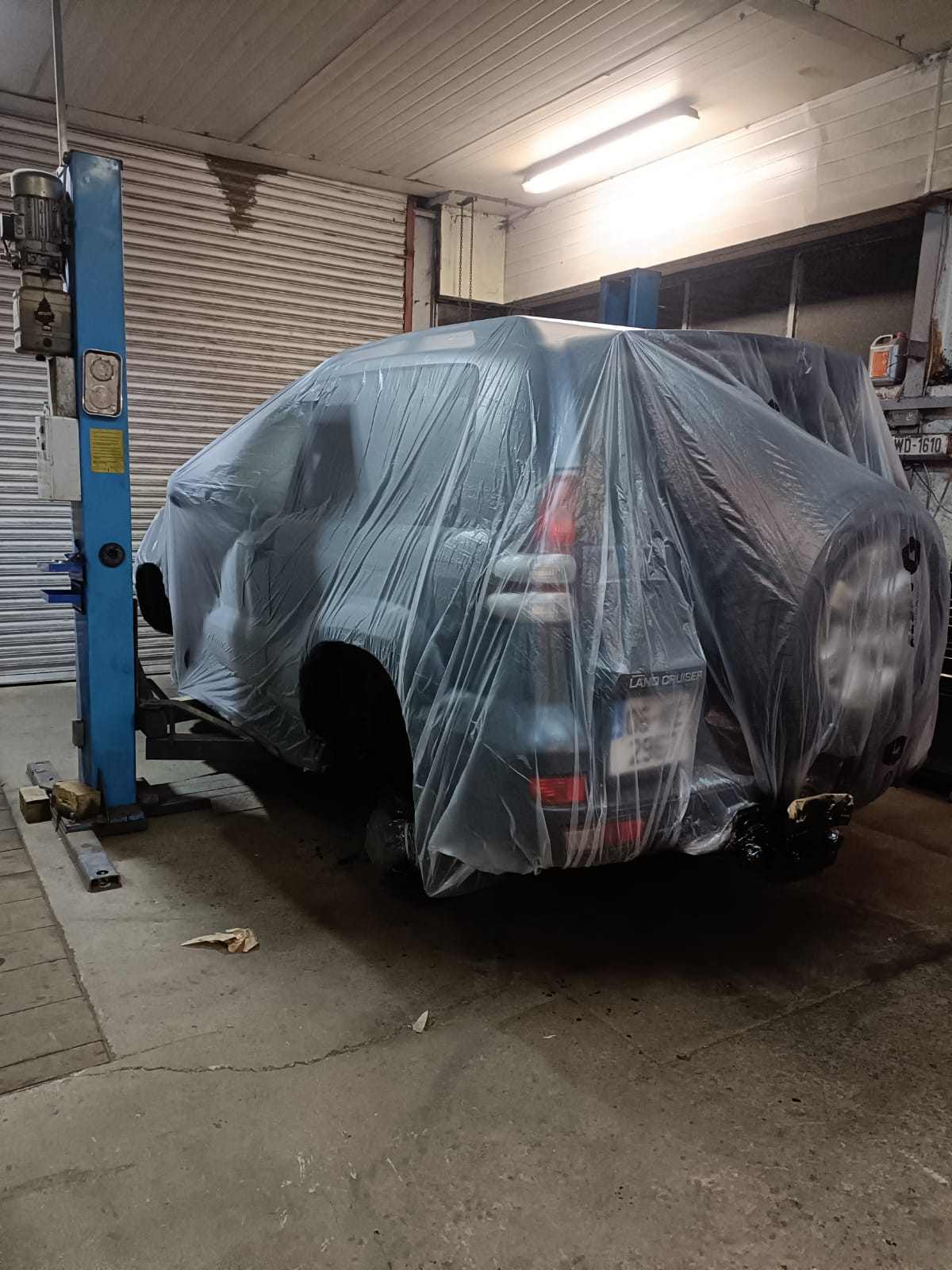
What Underseal Does
Underseal is a thick, rubber or bitumen-based coating applied to the underside of vehicles to:
- Create a physical barrier between the structural steel and moisture, road salt, and stone chip abrasion
- Absorb stone chip impact without chipping through to bare metal — the thick, slightly flexible material absorbs kinetic energy better than paint
- Slow or prevent moisture ingress to steel surfaces that are otherwise difficult to keep dry
It’s a protective treatment — not a restorative one. Applied correctly to sound metal, it significantly slows the corrosion process. It doesn’t reverse existing rust.
When Underseal Is Worth Applying
On a new or relatively new vehicle (under 5 years old) with a sound underbody This is underseal at its most effective. Applied to clean, sound metal as a preventive measure, a good quality underseal significantly extends the period before underbody corrosion becomes a concern. The factory-applied underseal on modern vehicles is generally adequate, but additional application to vulnerable areas — sill lower edges, floor pan leading sections, wheel arch inners — can genuinely extend protection.
After structural repair work is complete and verified Once structural rust has been properly repaired (weld repairs completed, through any NCT retest requirement), applying fresh underseal over the primed repair area is a sensible investment. The new steel is protected from the start; the repair lasts longer.
On older vehicles with sound underbody structure after a thorough inspection An older vehicle confirmed to have structurally sound underbody metalwork — just weathered surface and worn original underseal — can genuinely benefit from a full underseal refresh. The fresh coating adds years to the point at which structural repairs become necessary.
When Underseal Is Not Worth It (or Is Actively Harmful)
Over active rust or compromised metalwork This is the most important point. Applying underseal over rust — even surface rust — seals moisture against the steel rather than excluding it. The rust continues beneath the new coating, often faster than it would have without the application, because the trapped moisture can’t escape.
Applying underseal over structural rot — perforated or significantly weakened sections — is simply concealment. It makes the vehicle look better underneath while doing nothing for structural integrity, and it makes subsequent proper repair harder because the old underseal has to be removed first.
An NCT inspector who finds fresh underseal over a repaired structural area on a retest vehicle will fail the test — the repair is not verifiable.
Without proper preparation of the surface Underseal applied to a dirty, oily, or inadequately cleaned surface doesn’t bond properly and peels relatively quickly. The preparation — cleaning, degreasing, and in some cases light mechanical preparation of the surface — is as important as the product quality.
As a substitute for structural repair We see vehicles that have had underseal applied repeatedly over the years to progressively worse underlying rot. By the time they come in for inspection, the underseal is intact but the metal beneath it in structural sections is long gone. Underseal bought time; it didn’t fix the problem.
Types of Underseal: What’s Worth Using
Rubberised underseal — the most common type, typically black rubber compound applied by brush or spray. Good stone chip resistance and moisture barrier. Standard application for most vehicles.
Wax-based underseal — more penetrating, better for application in tight sections and seams. Often used in combination with rubberised underseal on seam areas.
Cavity wax — specifically formulated for injection into box sections (sills, chassis rails, door cavities) through access holes. Not the same as surface underseal — it’s applied internally to box section surfaces that are inaccessible any other way. Highly effective and underused. It flows into corners and seams inside box sections, displaces moisture, and provides multi-year protection. For vehicles over 6–8 years old in Irish conditions, cavity wax injection is one of the most cost-effective protective investments available.
The Practical Recommendation for Co. Louth Vehicles
For vehicles over 8 years old:
- Get an underbody inspection first — confirm the structural condition before any protective treatment
- If structural repairs are needed, complete and verify those first (through any retest requirement)
- Apply underseal over repaired and primed sections as part of the post-repair finish
- Add cavity wax injection to sills and chassis rails for internal box section protection
- Repeat the inspection and spot-treatment every 3–5 years
For newer vehicles (under 6 years), factory protection is typically adequate. Annual post-winter underbody cleaning and periodic inspection is more cost-effective than early underseal application.
At Quinn Engineering, we advise on and apply underseal as part of post-repair treatment. We can also carry out cavity wax injection independently of structural repair work. See our rust repair service for the full picture on what’s involved.
Frequently Asked Questions
Q: How long does underseal last? A: A well-applied rubberised underseal on a properly prepared surface typically lasts 5–8 years before it starts to lift, crack, or deteriorate meaningfully. Stone chip exposure accelerates this; the leading edges of the underbody deteriorate faster.
Q: Can I apply underseal myself? A: You can apply brush-on or aerosol underseal to accessible areas yourself if the surface is properly prepared and structurally sound. For a full underbody application and cavity wax injection to box sections, professional application gives a more thorough result.
Q: Will underseal void my warranty? A: On a vehicle still under manufacturer warranty, check the terms. Aftermarket underseal application to the underbody wouldn’t typically affect mechanical warranty, but it’s worth confirming for your specific vehicle.
Q: Does underseal affect NCT results? A: Fresh underseal applied over sound metal with no structural concerns is not an issue at NCT. Fresh underseal applied over a previous structural repair area — on a retest vehicle — makes the repair unverifiable and will fail the retest. Timing and context matter.
For rust protection and underseal services in Dundalk and Co. Louth, contact Quinn Engineering in Omeath. We’ll advise on the right approach for your vehicle’s actual condition. See our vehicle rust repair and protection service here.